GLP Nutrition
Understand Nutrition During GLP Treatment
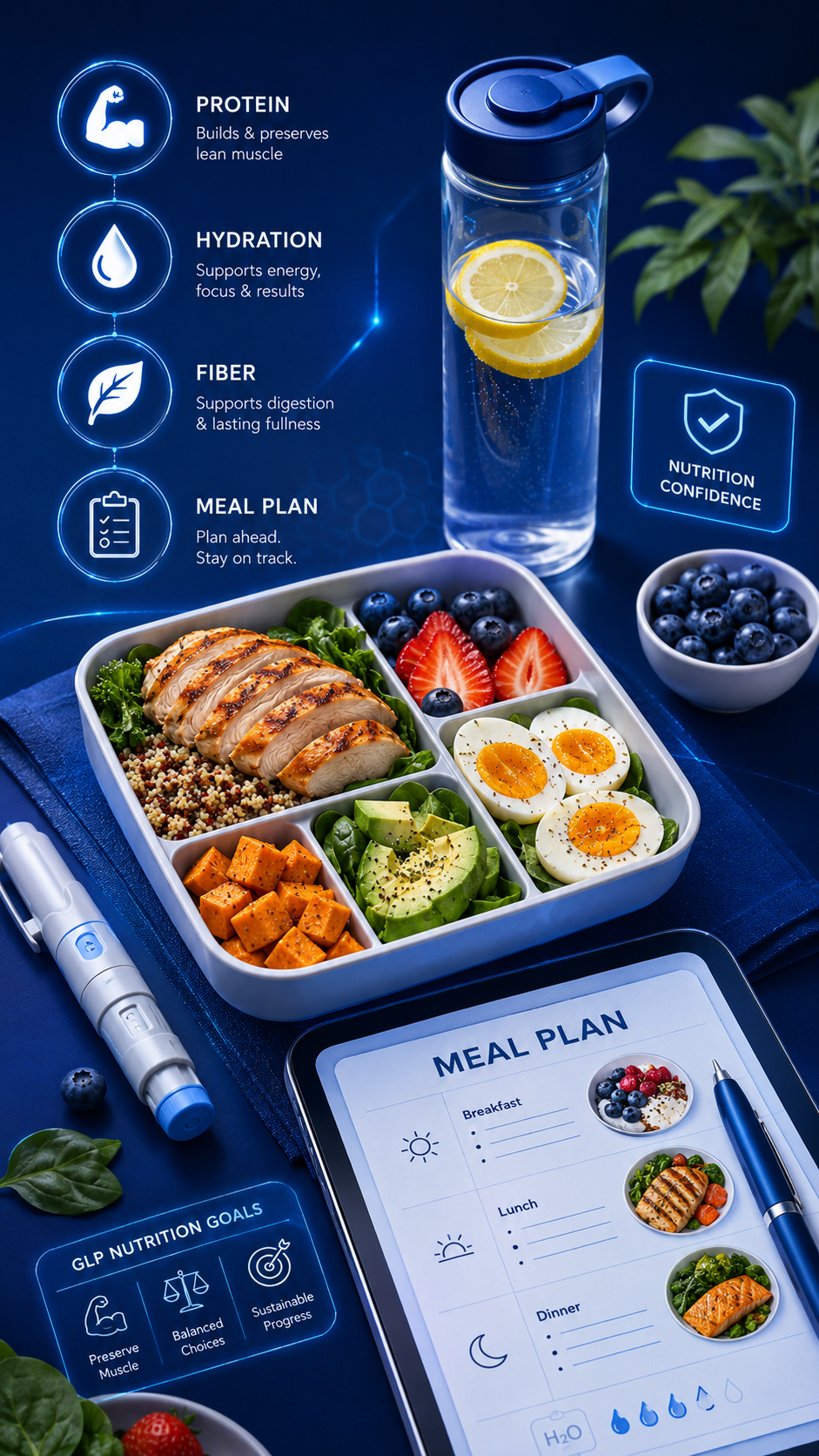
GLP nutrition helps patients eat enough protein, stay hydrated, support digestion, protect muscle, and build habits that last beyond early weight loss.
First, GLP medications can change appetite, fullness, food cravings, and meal size. As a result, many patients need a new way to think about food.
However, eating less does not always mean eating well. Therefore, this guide explains protein, hydration, fiber, smaller meals, side effect support, and a simple 2-week sample meal plan.
Direct Answer
What Is GLP Nutrition?
GLP nutrition is the way patients plan food, fluids, protein, fiber, and meal timing while taking GLP medications like semaglutide or tirzepatide.
The Simple Explanation
GLP nutrition focuses on eating enough of what your body needs while appetite changes. Many patients feel full sooner, so smaller meals may need to carry more nutrition.
Also, nutrition can affect energy, digestion, muscle support, side effects, and long-term progress. Because of that, food choices matter even when hunger feels lower.
Why This Hub Exists
However, many patients receive medication before they understand how to eat on it. They may skip meals, drink too little water, eat too little protein, or feel unsure when side effects appear.
Therefore, this hub gives patients one clear place to learn the nutrition basics. Then, the meal plans below show how those basics may look in daily life.
Why It Matters
GLP Medications Can Change How Eating Feels
Because GLP medications can change appetite and digestion, patients often need to adjust how they build meals, drink fluids, and plan protein.
Appetite May Drop
First, many patients feel less hungry. As a result, they may eat smaller meals or forget to eat enough during the day.
Fullness May Come Faster
Next, fullness may happen sooner. Therefore, large meals may feel uncomfortable, especially during early treatment or dose changes.
Digestion May Slow
Also, digestion changes may affect nausea, constipation, reflux, bloating, or early fullness. Because of that, meal size and timing can matter.
Food Noise May Change
Some patients think about food less often. However, lower food noise can make planned nutrition even more important.
Protein May Fall Too Low
Because meals may shrink, protein intake can drop without notice. Therefore, patients should learn how to include protein in a realistic way.
Hydration May Need Attention
Finally, thirst and intake patterns may change. So, steady fluids can help support digestion, energy, and symptom awareness.
Quick Facts
GLP Nutrition At A Glance
This table gives you the main nutrition priorities before the guide goes deeper.
Nutrition Quick Reference Table
| Nutrition Focus | Why It Matters | Simple Patient Step |
|---|---|---|
| Protein | Supports lean muscle, fullness, recovery, and strength. | Include protein at meals when tolerated. |
| Hydration | Supports digestion, energy, bowel regularity, and side effect management. | Drink fluids steadily throughout the day. |
| Fiber | May support digestion and bowel regularity. | Add fiber gradually and watch tolerance. |
| Meal size | Large meals may worsen nausea, reflux, or fullness. | Try smaller, balanced meals if needed. |
| Meal timing | Long gaps can reduce total nutrition. | Create a simple eating rhythm. |
| Muscle support | Weight loss can include muscle loss. | Pair protein with strength-focused activity when appropriate. |
Protein
Protein Is One Of The Most Important GLP Nutrition Topics
Protein helps support lean muscle, strength, fullness, healing, and long-term body composition during GLP treatment.
Why Protein Can Drop
First, appetite often decreases during treatment. Because of that, patients may eat smaller portions and accidentally reduce protein too much.
Why Muscle Support Matters
Next, weight loss can include muscle loss. Therefore, protein and strength-focused activity matter when patients want healthier long-term results.
How To Think About Protein
Also, patients should think about protein as a daily structure, not a last-minute fix. A simple plan can make intake easier when hunger stays low.
When To Ask For Guidance
However, protein needs vary. So, patients with kidney disease, medical conditions, or special diets should ask a qualified healthcare provider for personal guidance.
Protein-Friendly Options
- Eggs
- Greek yogurt
- Cottage cheese
- Chicken or turkey
- Fish or seafood
- Lean beef when tolerated
- Tofu or tempeh
- Beans or lentils when tolerated
- Protein shakes when appropriate
Hydration
Hydration Can Affect How You Feel On GLP Medications
Hydration matters because lower intake, nausea, constipation, diarrhea, vomiting, and appetite changes can all affect fluid needs.
Fluids Support Digestion
First, steady fluids can support bowel movements and digestion. As a result, hydration often becomes part of constipation prevention.
Fluids Support Energy
Next, low fluid intake can make fatigue feel worse. Therefore, patients should notice thirst, urine color, dizziness, and low energy.
Fluids Matter During Side Effects
Also, vomiting or diarrhea can increase dehydration risk. Because of that, severe symptoms deserve prompt medical guidance.
Hydration Planning Table
| Situation | Why It Matters | Better Step |
|---|---|---|
| You feel full quickly | Large drinks with meals may feel uncomfortable. | Sip fluids between meals when tolerated. |
| You feel constipated | Low fluids can make bowel movements harder. | Review fluids, fiber, movement, and provider advice. |
| You feel nauseated | Fluid intake may drop when nausea appears. | Try small sips and ask for guidance if symptoms persist. |
| You have vomiting or diarrhea | Fluid losses may increase dehydration risk. | Contact a provider when symptoms are severe or ongoing. |
Fiber And Digestion
Fiber Can Help, But Tolerance Matters
Fiber can support digestion and bowel regularity, but patients on GLP medications may need to add it slowly and carefully.
Fiber May Support Regularity
First, fiber can help some patients with bowel regularity. Because constipation is a common concern, fiber often becomes part of the nutrition conversation.
Too Much Too Fast Can Backfire
However, a sudden fiber increase can cause bloating, gas, or discomfort. Therefore, gradual changes may feel better than large changes.
Fluids Matter With Fiber
Also, fiber works better when fluids are steady. If fluids stay too low, constipation may feel worse for some people.
Symptoms Should Guide Adjustments
Finally, patients should track what helps and what worsens symptoms. A provider can help when constipation, diarrhea, or pain continues.
Fiber Sources To Consider
- Oats
- Berries
- Apples or pears when tolerated
- Beans or lentils when tolerated
- Vegetables
- Chia or flax when tolerated
- Whole grains
- Fiber supplements only with provider guidance
Meal Planning
How To Build A GLP-Friendly Meal
A GLP-friendly meal usually focuses on protein, small portions, balanced foods, steady fluids, and symptom awareness.
Start With Protein
First, choose a protein source when possible. Because appetite may be low, protein deserves a clear place in the meal.
Add Color And Fiber
Next, add fruits, vegetables, or fiber-rich foods as tolerated. However, adjust choices if bloating or reflux becomes worse.
Include Smart Carbs
Also, carbs can support energy and satisfaction. Choose portions that fit your symptoms, goals, and provider guidance.
Use Healthy Fats Carefully
Because high-fat meals may feel heavy for some patients, pay attention to nausea, reflux, and fullness after meals.
Keep Portions Comfortable
Then, eat slowly and stop when comfortably full. Large meals may feel harder during treatment.
Plan Ahead
Finally, simple planning can prevent skipped meals. As a result, patients may protect protein, fluids, and energy more consistently.
Simple Plate Framework
| Plate Part | Purpose | Examples |
|---|---|---|
| Protein | Supports muscle and fullness. | Eggs, Greek yogurt, chicken, fish, tofu, beans. |
| Produce | Adds fiber, vitamins, minerals, and volume. | Vegetables, berries, apples, salads, cooked greens. |
| Carbohydrate | Supports energy and meal balance. | Oats, rice, potatoes, fruit, whole grains. |
| Fat | Supports satisfaction and nutrient absorption. | Avocado, olive oil, nuts, seeds, salmon. |
| Fluid | Supports hydration and digestion. | Water, low-sugar drinks, broth, electrolyte options when appropriate. |
2-Week Sample Meal Plan
A Simple GLP-Friendly Meal Plan For Two Weeks
This sample meal plan shows how smaller meals, protein, hydration, fiber, and simple prep can work together during GLP treatment.
How To Use This Meal Plan
First, use this as a learning example, not a strict prescription. Your personal plan should match your symptoms, health history, food preferences, allergies, budget, and provider guidance.
Also, adjust portions based on fullness. If a full meal feels too large, save part for later instead of forcing it.
Simple Meal Plan Rules
- Start each meal with protein when possible
- Use smaller meals if fullness comes quickly
- Sip fluids throughout the day
- Add fiber gradually
- Keep gentle backup foods ready
- Contact a provider if symptoms limit fluids or food
Week 1 Sample GLP Meal Plan
| Day | Breakfast | Lunch | Dinner | Snack Or Backup Option |
|---|---|---|---|---|
| Day 1 | Greek yogurt with berries and chia seeds | Chicken salad lettuce bowl with avocado and cucumber | Baked salmon with roasted zucchini and small sweet potato | String cheese or protein shake |
| Day 2 | Scrambled eggs with spinach and one slice whole-grain toast | Turkey roll-ups with hummus, carrots, and apple slices | Turkey meatballs with marinara and steamed green beans | Cottage cheese with fruit |
| Day 3 | Protein smoothie with Greek yogurt, berries, and spinach | Tuna or chicken salad with whole-grain crackers and cucumbers | Lean beef or tofu stir-fry with vegetables and small rice serving | Hard-boiled egg or yogurt cup |
| Day 4 | Cottage cheese with peaches and ground flax | Egg salad over greens with tomatoes and light dressing | Chicken fajita bowl with peppers, onions, avocado, and beans as tolerated | Protein bar or small handful of nuts |
| Day 5 | Oatmeal with protein powder mixed in and blueberries | Grilled chicken soup with vegetables and small potato | Shrimp or tofu bowl with vegetables and quinoa | Apple slices with peanut butter |
| Day 6 | Two eggs with berries and avocado slices | Greek yogurt bowl with nuts, berries, and low-sugar granola | Turkey burger patty with salad and roasted carrots | Low-sugar protein drink |
| Day 7 | Protein waffle or toast with cottage cheese and berries | Chicken, rice, and vegetable bowl with light sauce | Baked cod with asparagus and mashed cauliflower | Cheese stick and grapes |
Week 2 Sample GLP Meal Plan
| Day | Breakfast | Lunch | Dinner | Snack Or Backup Option |
|---|---|---|---|---|
| Day 8 | Greek yogurt with banana slices and cinnamon | Turkey chili with beans as tolerated and side salad | Lemon chicken with broccoli and small serving of rice | Hard-boiled egg or protein shake |
| Day 9 | Egg bites with spinach and cottage cheese | Salmon salad with cucumbers, tomatoes, and whole-grain crackers | Lean taco bowl with lettuce, salsa, avocado, and beans as tolerated | Greek yogurt cup |
| Day 10 | Protein smoothie with berries, Greek yogurt, and nut butter | Chicken wrap with lettuce, tomato, and light dressing | Turkey or tofu lettuce cups with vegetables and small rice serving | Cottage cheese with pineapple |
| Day 11 | Oatmeal with protein powder and sliced strawberries | Egg bowl with roasted vegetables and avocado | Grilled fish with green beans and roasted potatoes | String cheese or nuts |
| Day 12 | Scrambled eggs with turkey sausage and fruit | Chicken vegetable soup with side of Greek yogurt | Lean meatloaf or lentil loaf with carrots and salad | Protein bar or yogurt |
| Day 13 | Cottage cheese bowl with berries and chia seeds | Tuna cucumber boats with crackers and fruit | Chicken kebab plate with vegetables and hummus | Apple with peanut butter |
| Day 14 | Greek yogurt parfait with berries and low-sugar granola | Turkey burger bowl with lettuce, tomato, pickles, and sweet potato | Salmon, tofu, or chicken with roasted vegetables and quinoa | Low-sugar protein drink or cheese stick |
If You Feel Nauseated
First, choose smaller portions and simpler foods. For example, Greek yogurt, broth, eggs, toast, rice, bananas, or protein drinks may feel easier for some patients.
If You Feel Too Full
Next, divide meals into smaller parts. Therefore, you may eat half now and save the rest for later instead of forcing a full plate.
If You Feel Constipated
Also, review fluids, fiber, movement, and meal rhythm. However, contact a provider when constipation is painful, unusual, or persistent.
If You Cannot Eat Much
Finally, focus on protein and fluids first. Then, ask your provider for guidance if low intake continues or causes weakness.
Grocery List
Simple Grocery List For The 2-Week Meal Plan
This grocery list helps make the sample meal plan easier to shop for, prep, and adjust.
Proteins
- Eggs
- Greek yogurt
- Cottage cheese
- Chicken breast or thighs
- Turkey slices or patties
- Salmon, cod, or shrimp
- Tuna packets
- Tofu or tempeh
- Protein shakes or powder
Produce
- Berries
- Bananas
- Apples
- Spinach
- Cucumbers
- Zucchini
- Broccoli
- Carrots
- Green beans
- Salad greens
Carbs And Fiber
- Oats
- Rice
- Quinoa
- Sweet potatoes
- Whole-grain toast
- Whole-grain crackers
- Beans or lentils as tolerated
- Chia or flax seeds
Healthy Fats
- Avocado
- Olive oil
- Nuts
- Seeds
- Nut butter
- Salmon
Easy Backup Foods
- Broth or soup
- Yogurt cups
- Protein drinks
- String cheese
- Hard-boiled eggs
- Frozen vegetables
- Ready-to-eat lean protein
Flavor And Hydration
- Water
- Low-sugar electrolyte options when appropriate
- Lemon or lime
- Herbs and spices
- Salsa
- Light dressing
- Low-sugar marinara
Meal Prep
How To Prep GLP-Friendly Meals Without Overcomplicating It
Simple prep can help patients avoid skipped meals when appetite is low or schedules get busy.
Prep Two Proteins
First, cook two easy proteins for the week. For example, prepare chicken and eggs, or salmon and turkey patties.
Prep Gentle Carbs
Next, prepare rice, oats, potatoes, or quinoa. Therefore, meals can feel balanced without needing daily cooking.
Prep Easy Produce
Also, wash berries, cut cucumbers, roast vegetables, or keep frozen vegetables ready. This makes fiber easier to include.
Use Small Containers
Because fullness may come quickly, smaller containers may feel less overwhelming than large meal portions.
Keep Backup Options Ready
However, some days feel harder. Protein shakes, yogurt, broth, and eggs can help when appetite is very low.
Track What Works
Finally, write down meals that feel good. As a result, your plan becomes more personal over time.
Side Effect Support
Nutrition Can Help Patients Respond To Common Side Effects
Food and fluid choices cannot fix every side effect, but they can help patients manage common issues and know when to seek care.
Side Effect Nutrition Table
| Common Issue | Possible Nutrition Focus | When To Contact A Provider |
|---|---|---|
| Nausea | Smaller meals, slower eating, lower-fat choices, small sips. | When nausea is severe, persistent, or prevents fluids. |
| Constipation | Fluids, fiber as tolerated, movement, regular meal rhythm. | When constipation is painful, ongoing, or unusual. |
| Reflux | Smaller meals, less heavy food, avoiding late large meals. | When reflux is severe, frequent, or concerning. |
| Diarrhea | Hydration, gentle foods, tracking triggers. | When diarrhea continues, worsens, or causes dehydration concerns. |
| Low energy | Protein, fluids, enough total intake, balanced meals. | When fatigue feels severe, sudden, or persistent. |
| Vomiting | Small sips and medical guidance. | Promptly, especially if fluids do not stay down. |
Muscle Preservation
GLP Nutrition Should Protect More Than The Scale
Healthy GLP progress should include muscle support, energy, strength, digestion, and long-term habits.
Weight Loss Can Include Muscle Loss
First, weight loss can include fat, fluid, and lean mass. Because muscle matters, patients should not focus only on pounds lost.
Protein Supports Lean Mass
Next, protein helps support lean muscle. However, appetite changes can make protein harder to eat without a plan.
Strength Activity Matters
Also, strength-focused activity can help support function and body composition. Patients should ask what level of activity fits their health status.
Maintenance Starts Early
Finally, maintenance does not begin after the goal. Instead, the habits that protect long-term results begin during treatment.
Muscle Support Checklist
- Plan protein daily
- Eat enough total nutrition
- Drink fluids consistently
- Ask about strength training
- Track energy and weakness
- Review plateaus with context
- Discuss major intake changes with a provider
- Think about maintenance early
Common Mistakes
Common GLP Nutrition Mistakes To Avoid
GLP medications can make eating less feel easier, but nutrition mistakes may cause side effects, low energy, muscle loss, or frustration.
Mistake And Better Approach Table
| Common Mistake | Why It Can Cause Problems | Better Approach |
|---|---|---|
| Skipping meals because appetite is low | Protein, fluids, and nutrients may fall too low. | Use smaller meals or planned protein snacks. |
| Eating too little protein | Muscle support may suffer during weight loss. | Place protein at the center of meals when tolerated. |
| Drinking too little water | Constipation, fatigue, and dehydration risk may increase. | Sip fluids regularly throughout the day. |
| Adding too much fiber at once | Bloating, gas, and discomfort may increase. | Add fiber gradually and watch symptoms. |
| Relying only on the scale | The scale misses energy, strength, digestion, and habits. | Track nutrition, fluids, symptoms, movement, and strength. |
| Ignoring side effects | Ongoing symptoms may reduce intake and hydration. | Contact a provider when symptoms feel concerning. |
Semaglutide And Tirzepatide
Does Nutrition Differ Between Semaglutide And Tirzepatide?
The core nutrition goals are similar for semaglutide and tirzepatide, but each patient’s symptoms, appetite, and care plan can differ.
Shared Nutrition Priorities
First, both medication paths require attention to protein, hydration, meal size, digestion, side effects, and muscle support.
Different Patient Experiences
However, patients may respond differently. One person may struggle with nausea, while another may struggle with constipation or very low appetite.
Medication-Specific Guides Help
Therefore, patients should use the general nutrition hub for foundations and medication-specific guides for more targeted learning.
Provider Guidance Still Matters
Finally, nutrition should fit the patient’s health history, medication plan, symptoms, preferences, and goals.
Choose Your Medication Path
Long-Term Results
GLP Nutrition Should Support Maintenance
Nutrition during GLP treatment should help patients build habits they can use during weight loss, plateaus, maintenance, and long-term health changes.
Build Repeatable Meals
First, simple repeatable meals reduce decision stress. As a result, patients may stay more consistent.
Protect Protein Habits
Next, protein habits should continue after early weight loss. Therefore, patients should learn options they can keep.
Keep Hydration Visible
Also, hydration should not depend on thirst alone. Many patients benefit from a visible daily routine.
Adjust During Plateaus
However, plateaus require context. Review intake, movement, sleep, symptoms, and follow-up before assuming failure.
Practice Flexible Eating
Because life changes, patients need flexible skills for restaurants, travel, stress, holidays, and busy weeks.
Plan Before Stopping Or Changing
Finally, medication changes should include a nutrition plan. Speak with a provider before changing treatment.
Provider-Guided Care
When To Ask A Provider About GLP Nutrition
Nutrition guidance should become more personal when symptoms, medical history, low intake, or safety concerns appear.
Ask For Help When Symptoms Affect Eating
First, nausea, vomiting, reflux, constipation, diarrhea, or strong fullness can reduce intake. Therefore, patients should ask for help when symptoms keep them from eating or drinking.
Ask For Help When Intake Drops Too Low
Also, very low intake can affect energy, hydration, protein, and nutrient status. A provider can help review the next step.
Ask For Help With Special Diets
Finally, patients with kidney disease, diabetes, digestive conditions, pregnancy concerns, eating disorder history, or other medical needs should get personal guidance.
Recrea Health & Wellness
Recrea Health & Wellness is the licensed medical organization behind RealGLP.Life and can provide provider-guided support when appropriate.
Contact Recrea
- Call: 330-952-0391
- Email: info@recreahealth.com
- Visit: 2425 Medina RD Suite 101, Medina, OH 44256
Learning Path
What To Read Next About GLP Nutrition
GLP nutrition has several important parts. So, choose the guide that matches your current question.
Protein On GLP Medications
First, learn why protein matters for muscle, strength, fullness, and long-term results.
Hydration
Next, learn how fluids may affect digestion, fatigue, constipation, and side effect support.
Fiber
Also, learn how fiber may support digestion and why slow changes often work better.
Meal Planning
Then, learn how to build smaller, balanced meals that still support your body.
Semaglutide Nutrition
However, medication-specific questions may need a medication-specific guide.
Tirzepatide Nutrition
Finally, tirzepatide patients can follow a dedicated nutrition pathway.
Expert Tip
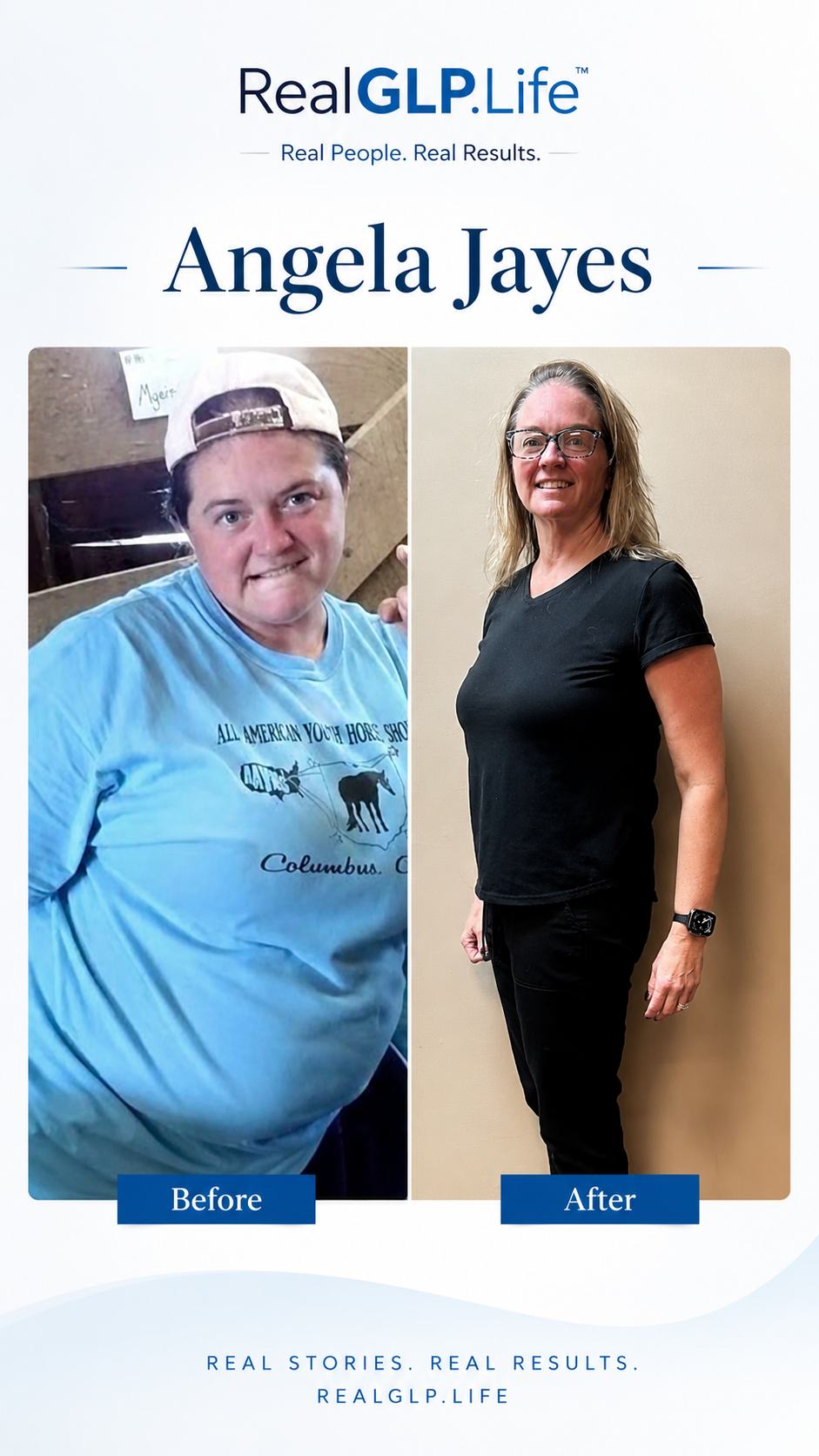
Angela Jayes, NP On GLP Nutrition
Start With Protein And Fluids
When appetite drops, patients should not wait for hunger to guide every choice. Protein and fluids need a simple daily plan.
Use Symptoms As Feedback
Also, nausea, constipation, reflux, fatigue, and fullness can reveal when the plan needs adjustment.
Think Beyond Early Weight Loss
Finally, long-term success depends on habits patients can keep. Nutrition should support health, strength, and confidence over time.
FAQ
Common GLP Nutrition Questions
These short answers help patients understand the basics before reading deeper nutrition guides.
What should I eat on GLP medications?
Focus on protein, fluids, fiber as tolerated, smaller meals, and nutrient-dense foods. However, your best plan depends on your symptoms, health history, and provider guidance.
Why is protein important on GLPs?
Protein helps support lean muscle, fullness, strength, and recovery. Because appetite may drop, many patients need to plan protein intentionally.
Can I skip meals if I am not hungry?
Skipping meals may reduce protein, fluids, and nutrients too much. Therefore, smaller meals or planned protein snacks may work better for some patients.
How should I use the 2-week meal plan?
Use it as a sample structure, not a strict medical diet. Also, adjust portions, foods, and timing based on symptoms, preferences, and provider guidance.
Can fiber help constipation?
Fiber may help some patients, especially with steady fluids. However, adding too much too fast can worsen bloating or discomfort.
Does nutrition replace medical care?
No. Nutrition can support treatment, but medical decisions and severe symptoms require guidance from a qualified healthcare provider.
Educational Use Only
This GLP Nutrition Hub Does Not Replace Medical Care
Education Helps You Prepare
RealGLP.Life provides educational content only. It does not provide medical advice, diagnosis, or treatment.
Your Provider Guides Personal Nutrition
Because nutrition needs depend on health history, symptoms, medications, labs, and goals, speak with a qualified healthcare provider for personal guidance.
Urgent Symptoms Need Prompt Care
If you cannot keep fluids down, feel severely dehydrated, have severe pain, or have urgent symptoms, seek medical care right away.
Ready To Build Better GLP Nutrition Habits?
Start with protein, hydration, smaller meals, and symptom awareness. Then, use the meal plan as a simple guide for building steadier habits.