Semaglutide Nutrition
How To Eat Well On Semaglutide
Semaglutide nutrition helps patients eat enough protein, drink enough fluids, support digestion, protect muscle, and build steady habits while appetite and fullness change.
First, semaglutide can make hunger feel lower and fullness come faster. As a result, many patients eat smaller meals without planning for enough protein, fluids, fiber, and nutrients.
However, eating less does not always mean eating well. Therefore, this guide explains how to build meals, manage low appetite, support side effects, and protect long-term results during semaglutide treatment.
Direct Answer
What Is Semaglutide Nutrition?
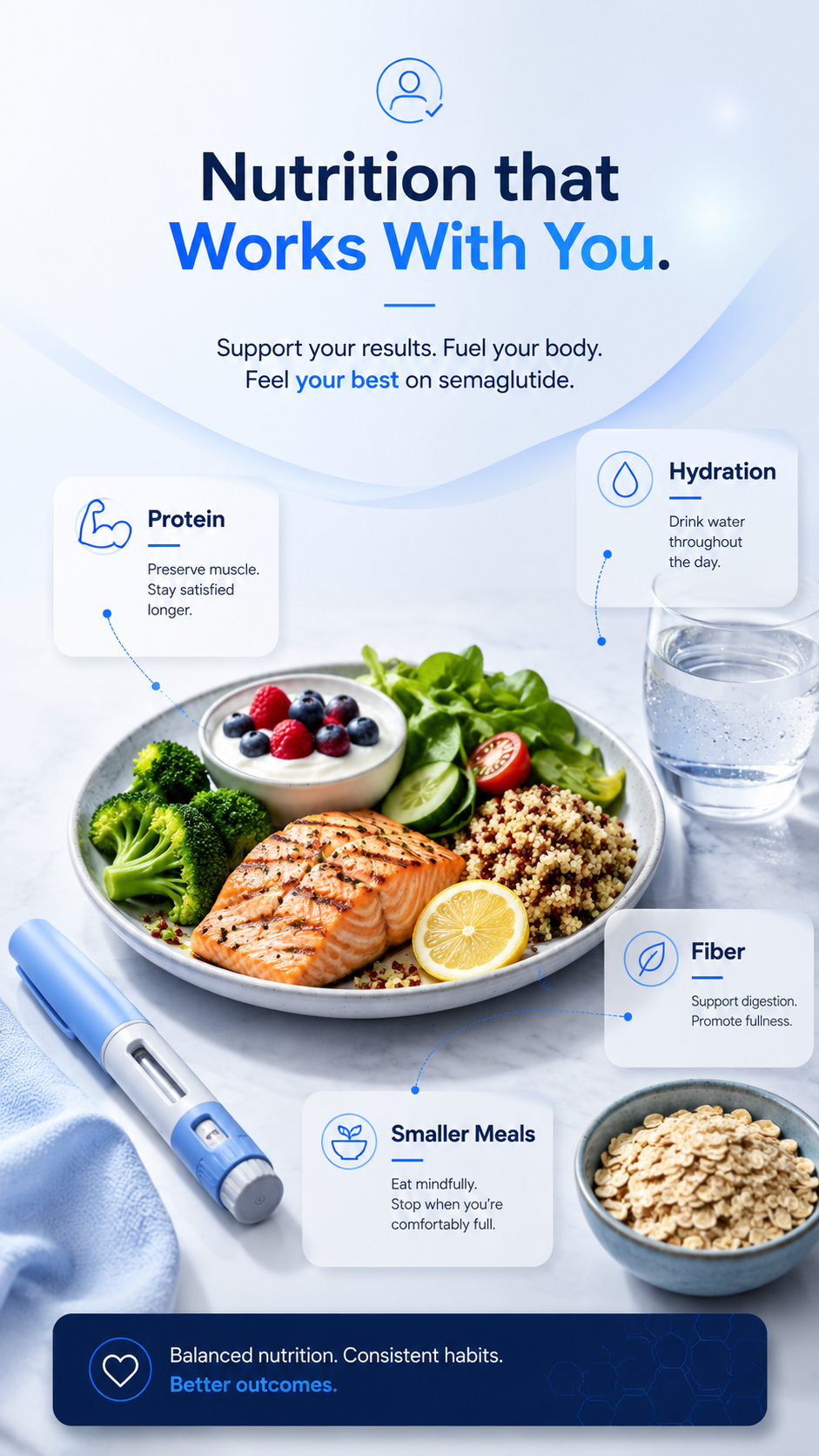
Semaglutide nutrition is the way patients plan protein, hydration, fiber, meal size, meal timing, and nutrient-dense foods while taking semaglutide.
The Simple Explanation
Semaglutide can lower appetite, quiet food noise, and help patients feel full sooner. Because of that, meals may become smaller.
Also, digestion may feel slower for some patients. Therefore, nutrition should focus on smaller meals that still give the body what it needs.
Why This Guide Matters
Many patients focus on the medication first and nutrition second. However, nutrition can affect energy, muscle support, bowel habits, nausea, hydration, and long-term results.
So, the goal is not to eat as little as possible. The goal is to eat in a way that supports health while semaglutide changes appetite signals.
Why It Changes
Why Eating Feels Different On Semaglutide
Eating can feel different on semaglutide because the medication affects fullness signals, appetite, stomach emptying, food noise, and blood sugar response.
Semaglutide Can Lower Appetite
First, semaglutide activates GLP-1 pathways involved in appetite and fullness. As a result, some patients feel less hungry between meals.
However, low hunger can make patients skip meals or eat too little protein. Therefore, a simple meal rhythm matters.
Semaglutide Can Slow Stomach Emptying
Next, food may leave the stomach more slowly. This can help fullness last longer, but it can also make large meals feel uncomfortable.
Because of that, many patients do better with smaller portions, slower eating, and lighter meals during symptom flares.
Food Noise May Get Quieter
Also, some patients think about food less often. This can feel helpful, especially when cravings used to feel constant.
However, quieter food noise does not replace nutrition. Patients still need protein, fluids, fiber, and enough total intake.
Side Effects Can Affect Intake
Finally, nausea, constipation, reflux, diarrhea, vomiting, or fatigue can change what feels tolerable.
Therefore, nutrition during semaglutide treatment should adjust to symptoms while keeping safety and hydration in mind.
Quick Reference
Semaglutide Nutrition At A Glance
This table gives you the main nutrition priorities before the guide goes deeper.
Semaglutide Nutrition Quick Reference Table
| Nutrition Focus | Why It Matters On Semaglutide | Simple Patient Step |
|---|---|---|
| Protein | Supports muscle, strength, fullness, and recovery while meal size drops. | Include protein at meals when tolerated. |
| Hydration | Supports digestion, energy, bowel habits, and safety during nausea, vomiting, or diarrhea. | Sip fluids throughout the day. |
| Fiber | May support bowel regularity, especially when constipation appears. | Add fiber slowly and watch tolerance. |
| Meal size | Large meals may worsen nausea, reflux, burping, bloating, or fullness. | Use smaller meals if fullness comes quickly. |
| Meal timing | Low appetite can lead to skipped meals and low protein intake. | Create a simple eating rhythm. |
| Muscle support | Weight loss can include lean mass loss. | Pair protein with strength activity when appropriate. |
Protein
Protein Should Come First During Semaglutide Treatment
Protein matters on semaglutide because appetite may drop, meals may shrink, and weight loss can include muscle loss if patients do not support lean mass.
Low Appetite Can Lower Protein
First, when hunger drops, many patients eat less without noticing how much protein they miss.
Protein Supports Lean Muscle
Next, protein helps support muscle, strength, recovery, and daily function. Because muscle matters for long-term health, protein should not become an afterthought.
Protein Can Help Meals Feel Steadier
Also, protein can support fullness and meal satisfaction. Therefore, meals often work better when protein has a clear place on the plate.
Protein Needs Can Vary
Finally, personal needs depend on health history, kidney function, activity, age, body size, and goals. A provider can help guide personal targets.
Protein Options That May Work
- Greek yogurt
- Eggs
- Cottage cheese
- Chicken or turkey
- Fish or seafood
- Lean beef when tolerated
- Tofu or tempeh
- Beans or lentils when tolerated
- Protein shakes when appropriate
Hydration
Hydration Can Make A Big Difference On Semaglutide
Hydration matters because semaglutide can reduce appetite, change meal patterns, and cause digestive symptoms that may raise dehydration risk.
Low Appetite Can Mean Low Fluids
First, some patients drink less when they eat less. As a result, fluids can drop without warning.
Constipation Can Worsen With Low Fluids
Next, low fluids can make stool harder. Therefore, hydration often becomes part of constipation support.
Vomiting Or Diarrhea Raises Risk
Also, vomiting or diarrhea can reduce fluids quickly. Because of that, ongoing symptoms need medical guidance.
Hydration Planning Table
| Situation | Why It Matters | Helpful Step |
|---|---|---|
| You feel full quickly | Large drinks with meals may feel uncomfortable. | Sip fluids between meals when tolerated. |
| You feel constipated | Low fluids may worsen hard stools. | Review fluids, fiber, movement, and provider advice. |
| You feel nauseated | Nausea may reduce fluid intake. | Try small sips and contact a provider if symptoms persist. |
| You have vomiting or diarrhea | Fluid losses can become unsafe. | Seek medical guidance, especially if fluids do not stay down. |
Fiber
Fiber Can Help Digestion, But Add It Carefully
Fiber may help support bowel regularity during semaglutide treatment, but adding too much too fast can worsen bloating, gas, or discomfort.
Constipation Is A Common Concern
First, constipation may happen when food intake, fluids, fiber, movement, or gut rhythm changes.
Fiber Can Support Bowel Habits
Next, fiber can help some patients build better stool consistency and regularity.
Too Much Fiber Can Feel Heavy
However, semaglutide can slow digestion. Therefore, sudden large fiber increases may feel uncomfortable for some patients.
Fluids Matter With Fiber
Finally, fiber works best with steady fluids. Low fluids plus more fiber may worsen constipation for some people.
Fiber Foods To Consider
- Oats
- Berries
- Apples or pears when tolerated
- Vegetables
- Beans or lentils when tolerated
- Chia or flax when tolerated
- Whole grains
- Fiber supplements only with provider guidance
Meal Structure
How To Build A Semaglutide-Friendly Meal
A semaglutide-friendly meal usually starts with protein, adds fiber as tolerated, includes smart carbs and healthy fats, and keeps portions comfortable.
Start With Protein
First, choose a protein source. Because meals may be smaller, protein deserves a clear place.
Add Produce
Next, add vegetables or fruit as tolerated. However, adjust if bloating, reflux, or nausea worsens.
Include Smart Carbs
Also, carbs can support energy and satisfaction. Choose portions that fit your symptoms and goals.
Use Fat Carefully
Because rich or greasy foods may feel heavy, pay attention to how fats affect nausea or reflux.
Eat Slowly
Then, slow down and stop at comfortable fullness. Eating fast can make fullness hit too late.
Save The Rest
Finally, if a meal feels too large, save part for later instead of forcing it.
Simple Plate Framework
| Plate Part | Purpose | Examples |
|---|---|---|
| Protein | Supports muscle, strength, and fullness. | Eggs, Greek yogurt, chicken, fish, tofu, lean meat. |
| Produce | Adds fiber, vitamins, minerals, and volume. | Cooked vegetables, berries, salad greens, cucumbers. |
| Carbohydrate | Supports energy and meal balance. | Oats, rice, potatoes, fruit, quinoa, whole grains. |
| Healthy fat | Supports satisfaction and nutrient absorption. | Avocado, olive oil, nuts, seeds, salmon. |
| Fluid | Supports hydration and digestion. | Water, broth, low-sugar drinks, electrolyte options when appropriate. |
Sample Meal Plan
A Simple 7-Day Semaglutide Meal Plan Example
This sample plan shows how smaller meals, protein, fluids, fiber, and simple prep can work together during semaglutide treatment.
Use This As A Learning Example
First, this meal plan is not a strict medical diet. Your personal plan should match your symptoms, allergies, food preferences, health history, budget, and provider guidance.
Also, adjust portions based on fullness. If a meal feels too large, save part for later.
Simple Meal Plan Rules
- Start with protein when possible
- Keep meals smaller if fullness comes quickly
- Sip fluids through the day
- Add fiber slowly
- Keep gentle backup foods ready
- Ask for help if symptoms limit food or fluids
7-Day Sample Semaglutide Meal Plan
| Day | Breakfast | Lunch | Dinner | Snack Or Backup Option |
|---|---|---|---|---|
| Day 1 | Greek yogurt with berries and chia seeds | Chicken salad lettuce bowl with cucumber and avocado | Baked salmon with zucchini and small sweet potato | Protein shake or string cheese |
| Day 2 | Scrambled eggs with spinach and whole-grain toast | Turkey roll-ups with hummus, carrots, and apple slices | Turkey meatballs with marinara and green beans | Cottage cheese with fruit |
| Day 3 | Protein smoothie with Greek yogurt, berries, and spinach | Tuna or chicken salad with crackers and cucumbers | Tofu or lean beef stir-fry with vegetables and rice | Hard-boiled egg or yogurt cup |
| Day 4 | Cottage cheese with peaches and ground flax | Egg salad over greens with tomatoes | Chicken fajita bowl with peppers, onions, avocado, and beans as tolerated | Protein bar or small handful of nuts |
| Day 5 | Oatmeal with protein powder and blueberries | Chicken vegetable soup with a small potato | Shrimp or tofu bowl with vegetables and quinoa | Apple slices with peanut butter |
| Day 6 | Egg bites with spinach and cottage cheese | Greek yogurt bowl with berries and low-sugar granola | Turkey burger patty with salad and roasted carrots | Low-sugar protein drink |
| Day 7 | Protein waffle or toast with cottage cheese and berries | Chicken, rice, and vegetable bowl | Baked cod with asparagus and mashed cauliflower | Cheese stick and grapes |
If You Feel Nauseated
First, simplify the meal. For example, try smaller portions, lower-fat foods, broth, yogurt, eggs, toast, rice, bananas, or a protein drink when tolerated.
If You Feel Too Full
Next, divide the meal. Therefore, you can eat part now and save the rest for later instead of forcing a full plate.
If You Feel Constipated
Also, review fluids, fiber, movement, and meal rhythm. However, contact a provider if constipation feels painful or persistent.
If You Cannot Eat Much
Finally, focus on protein and fluids first. Then, ask your provider for guidance if low intake continues.
Side Effect Support
How Nutrition Can Help With Semaglutide Side Effects
Nutrition cannot fix every side effect, but meal size, hydration, fiber, food choice, and timing may help many patients manage common symptoms.
Semaglutide Side Effect Nutrition Table
| Symptom | Possible Nutrition Link | Helpful Starting Point |
|---|---|---|
| Nausea | Large meals, high-fat foods, fast eating, or dose changes may worsen symptoms. | Smaller meals, slower eating, lighter foods, and small sips. |
| Constipation | Low fluids, low fiber, lower food intake, and slower gut movement may contribute. | Hydration, fiber as tolerated, movement, and provider guidance. |
| Reflux | Fullness, large meals, late meals, and trigger foods may contribute. | Smaller meals and avoiding lying down soon after eating. |
| Diarrhea | Food tolerance, dose changes, or gut adjustment may contribute. | Fluids, gentle foods, and trigger tracking. |
| Fatigue | Low intake, low protein, dehydration, or poor sleep may contribute. | Protein, fluids, meal rhythm, and symptom review. |
| Vomiting | Severe nausea or another issue may be present. | Seek medical guidance, especially if fluids do not stay down. |
Muscle Preservation
Semaglutide Nutrition Should Protect Muscle
Healthy semaglutide progress should include muscle support, not just weight loss on the scale.
Weight Loss Can Include Lean Mass
First, weight loss may include fat, water, and lean mass. Because lean mass supports strength and function, patients should protect it.
Protein Supports Muscle
Next, protein gives the body building blocks for muscle support. Therefore, protein planning matters when appetite drops.
Strength Activity Helps
Also, strength-focused activity can support muscle and body composition when appropriate for the patient.
Maintenance Starts Early
Finally, the habits that protect long-term results begin during treatment, not after goal weight.
Muscle Support Checklist
- Plan protein daily
- Eat enough total nutrition
- Sip fluids consistently
- Ask about strength training
- Track energy and weakness
- Watch for rapid intake drops
- Discuss major changes with a provider
Meal Prep
How To Meal Prep While Taking Semaglutide
Simple meal prep helps patients avoid skipped meals, low protein, and last-minute food choices when appetite feels low.
Prep Two Proteins
First, prepare two easy proteins for the week, such as chicken, eggs, turkey patties, tofu, or Greek yogurt.
Prep Gentle Carbs
Next, keep rice, oats, potatoes, quinoa, or fruit ready for easy energy support.
Prep Easy Produce
Also, wash berries, cut cucumbers, roast vegetables, or keep frozen vegetables ready.
Use Small Containers
Because large meals may feel overwhelming, smaller containers can make meals easier to finish.
Keep Backup Foods Ready
However, some days feel harder. Yogurt, broth, protein drinks, and eggs can help on low-appetite days.
Track What Works
Finally, write down meals that feel good. As a result, your plan becomes more personal over time.
Common Mistakes
Common Semaglutide Nutrition Mistakes
Semaglutide can make eating less feel easier, but nutrition mistakes may cause fatigue, constipation, muscle loss, nausea, or frustration.
Mistake And Better Step Table
| Common Mistake | Why It Can Backfire | Better Step |
|---|---|---|
| Skipping meals because hunger is low | Protein, fluids, and nutrients may drop too low. | Use smaller meals or planned protein snacks. |
| Eating too little protein | Muscle support may suffer during weight loss. | Place protein at the center of meals. |
| Drinking too little water | Constipation, fatigue, and dehydration risk may increase. | Sip fluids regularly throughout the day. |
| Adding too much fiber at once | Bloating, gas, and discomfort may worsen. | Add fiber gradually and watch symptoms. |
| Forcing large meals | Nausea, reflux, bloating, or fullness may worsen. | Eat smaller portions and save leftovers. |
| Only tracking weight | The scale misses strength, energy, symptoms, and habits. | Track protein, fluids, symptoms, strength, and consistency. |
Provider-Guided Care
When To Ask A Provider About Semaglutide Nutrition
Provider guidance matters when symptoms, low intake, medical history, kidney disease, diabetes, eating disorder history, or special diets affect nutrition needs.
Ask When Symptoms Limit Food Or Fluids
First, nausea, vomiting, reflux, constipation, diarrhea, or severe fullness can reduce intake. Therefore, ask for help when symptoms limit eating or drinking.
Ask When Intake Drops Too Low
Next, very low intake can affect energy, hydration, protein, and nutrient status.
Ask With Medical Conditions
Also, patients with diabetes, kidney disease, digestive conditions, pregnancy concerns, or eating disorder history need personal guidance.
Ask Before Making Major Changes
Finally, talk with a provider before using aggressive diets, fasting plans, laxatives, supplements, or major protein changes.
Recrea Health & Wellness
Recrea Health & Wellness is the licensed medical organization behind RealGLP.Life and can provide provider-guided support when appropriate.
Contact Recrea
- Call: 330-952-0391
- Email: info@recreahealth.com
- Visit: 2425 Medina RD Suite 101, Medina, OH 44256
Trusted Medical Sources
Helpful Sources If You Want To Keep Learning
RealGLP.Life explains semaglutide nutrition in plain language. These trusted health sources can help you keep learning from medical and government organizations.
FDA Wegovy Prescribing Information
The FDA label gives official prescribing information for Wegovy, including semaglutide’s drug class, dosing information, warnings, and safety topics.
MedlinePlus Semaglutide Injection
MedlinePlus provides patient-friendly semaglutide injection information from the National Library of Medicine, including safety notes and common side effects.
NIDDK Weight-Management Medicines
The National Institute of Diabetes and Digestive and Kidney Diseases explains prescription weight-management medicines and how some treatments can help people feel less hungry or full sooner.
NIDDK Safe Weight-Loss Programs
NIDDK also explains that a healthy eating plan, physical activity, guidance, and support matter when choosing a safe weight-loss program.
Learning Path
What To Read Next About Semaglutide
Semaglutide nutrition connects to how the medication works, side effects, protein, exercise, body composition, and long-term maintenance.
How Semaglutide Works
First, learn why appetite, fullness, digestion, and blood sugar signals change.
Semaglutide Protein
Next, learn how protein supports muscle, strength, fullness, and long-term results.
Semaglutide Side Effects
Also, learn how nutrition connects to nausea, constipation, reflux, diarrhea, and fatigue.
Semaglutide Exercise
Then, learn why movement and strength activity support body composition.
Results Timeline
However, results take time. Learn what may change in the first weeks and months.
Semaglutide Maintenance
Finally, learn how to plan for long-term habits beyond early weight loss.
Expert Tip
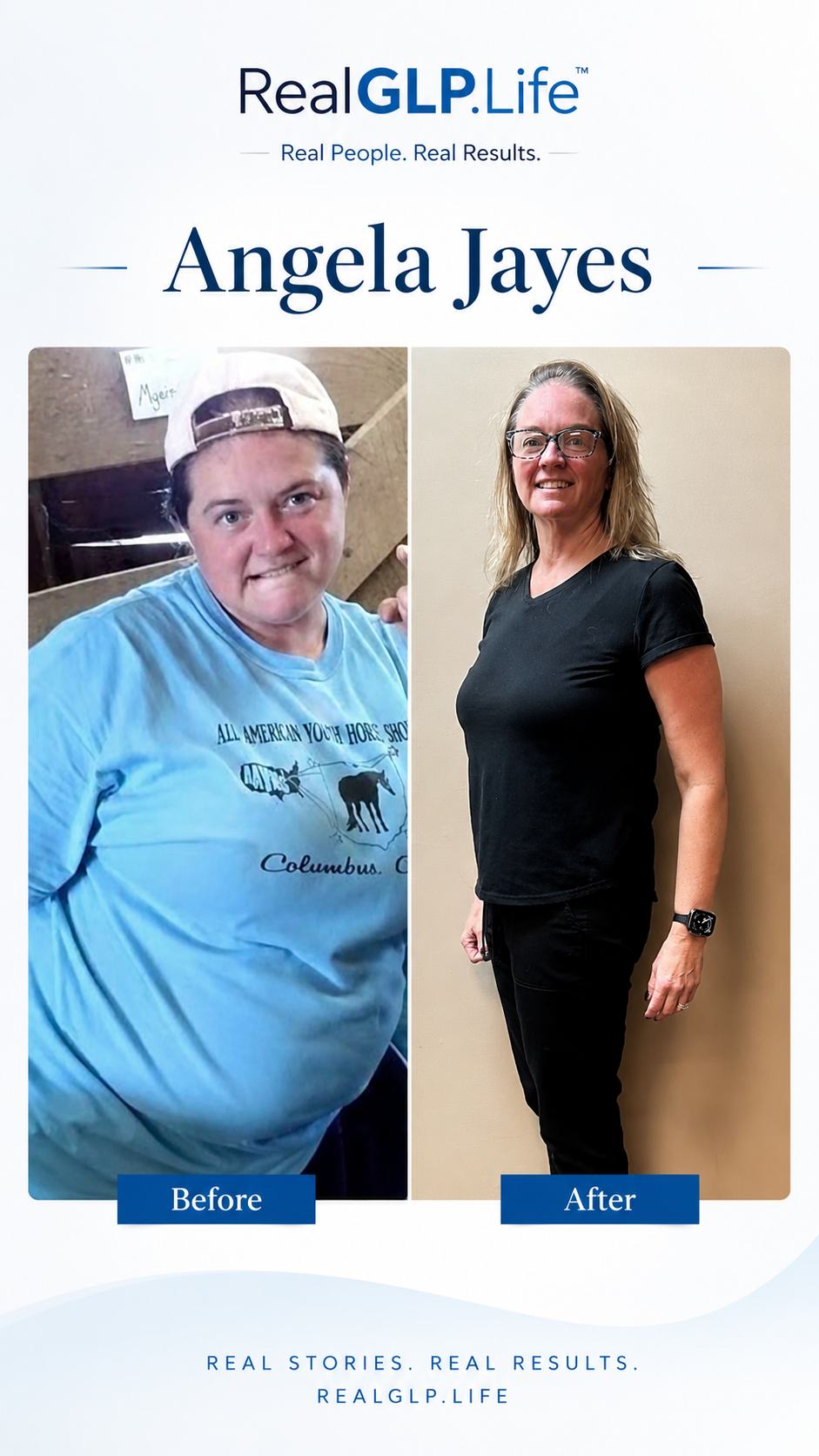
Angela Jayes, NP On Semaglutide Nutrition
Do Not Let Low Appetite Run The Whole Plan
Semaglutide may lower hunger, but patients still need a plan for protein, fluids, fiber, and enough nutrition to support strength and long-term health.
Use Symptoms As Feedback
Also, nausea, constipation, reflux, and fatigue can show when meal size, fluids, fiber, or timing need adjustment.
Think Beyond Early Weight Loss
Finally, strong results come from habits patients can keep. Nutrition should support muscle, energy, digestion, confidence, and maintenance.
FAQ
Common Semaglutide Nutrition Questions
These short answers help patients understand the basics before reading deeper nutrition and side effect guides.
What should I eat on semaglutide?
Focus on protein, fluids, fiber as tolerated, smaller meals, and nutrient-dense foods. However, your best plan depends on symptoms, health history, and provider guidance.
Why is protein important on semaglutide?
Protein helps support muscle, strength, fullness, and recovery. Because semaglutide may lower appetite, many patients need to plan protein intentionally.
Can I skip meals if I am not hungry?
Skipping meals may reduce protein, fluids, and nutrients too much. Therefore, smaller meals or planned protein snacks may work better for some patients.
What foods make semaglutide nausea worse?
Some patients feel worse with large meals, greasy foods, rich foods, or eating too fast. However, tolerance varies from person to person.
Can fiber help semaglutide constipation?
Fiber may help some patients, especially with steady fluids. However, adding too much too fast can worsen gas, bloating, or discomfort.
Does semaglutide nutrition replace medical advice?
No. This guide provides education only. Personal nutrition guidance should come from a qualified healthcare provider.
Educational Use Only
This Semaglutide Nutrition Guide Does Not Replace Medical Care
Education Helps You Prepare
RealGLP.Life provides educational content only. It does not provide medical advice, diagnosis, or treatment.
Your Provider Guides Personal Nutrition
Because nutrition needs depend on health history, symptoms, medications, labs, and goals, speak with a qualified healthcare provider for personal guidance.
Urgent Symptoms Need Prompt Care
If you cannot keep fluids down, feel severely dehydrated, have severe belly pain, or have urgent symptoms, seek medical care right away.
Ready To Build A Better Semaglutide Nutrition Plan?
Start with protein, hydration, smaller meals, and symptom awareness. Then, speak with a qualified provider when you need personal guidance.